What a fruit experiment taught me about changing habits
Lasting change rarely fails because you lack willpower. It fails because you rely on motivation instead of a practical system.
Here is a simple, seven-step approach to changing everyday habits—tested on my own goal of eating more fruit.
Let me guess: you have a habit you'd like to change.
Maybe you want to exercise more, get to bed before midnight, or stop scrolling on your phone late at night. Congratulations—you are human.
Changing your daily routine is hard. When you slip up, it's easy to beat yourself up, doubt your own ability, and give up before you even get going.
During a course on how our minds and habits work, my assignment was to run a personal experiment on myself. Rather than relying on good intentions, I tested a practical framework from practising CBT on a simple everyday goal: eating more fruit.
Here is how the seven steps work in real life.
Stage 1: Get clear (before you start)
1. Count your starting point
You cannot improve what you don't track. Before you try to change anything, simply watch and write down what you do right now.
- Be honest: Get a realistic count of where you are today rather than guessing.
- Keep it simple: Use a pocket notebook, a phone app, or a scrap of paper. (I used a paper journal.)
- My starting point: I was eating only one or two pieces of fruit each week. That was my baseline.
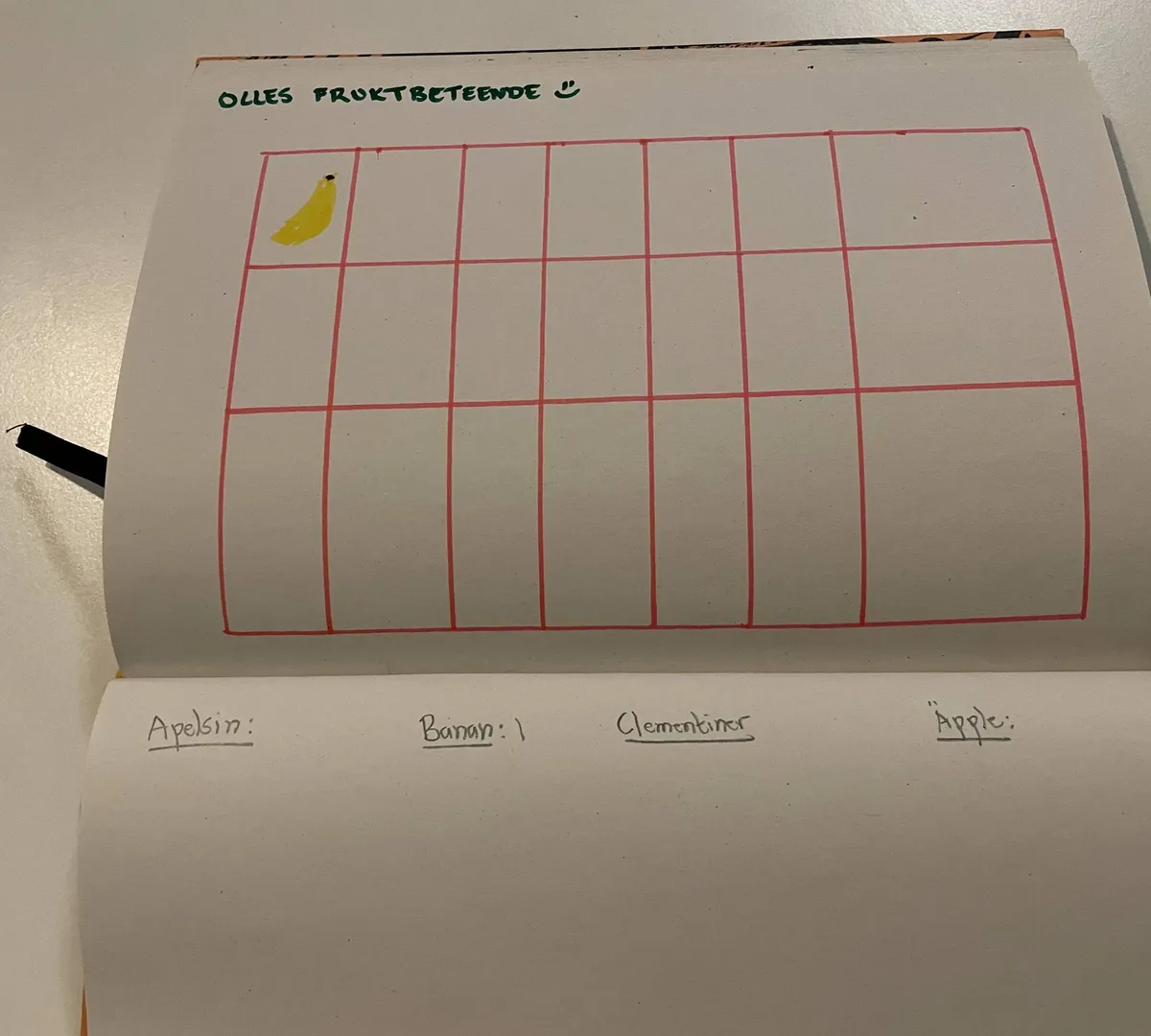 A simple set-up for tracking my new "fruit behaviour" :)
2. Pick a crystal-clear target
Drop the vague goals like "eat healthier" and choose an obvious daily target:
My target: Eat at least one piece of fruit every single day.
Check your commitment by rating three quick questions from 0 to 10:
- Importance (0–10): How much does this actually matter to you?
- Confidence (0–10): How sure are you that you can pull it off?
- Difficulty (0–10): How tough do you expect it to be?
Rule of thumb: If your confidence is below 7, make the daily target smaller.
3. Weigh the honest trade-offs
Every choice has pros and cons. Be honest about four things:
- What do you like about the way things are right now?
- What is it costing you to stay the same?
- What will you gain if you make the change?
- What effort will it take to follow through?
Writing this down gives you genuine reasons to keep going. For me, buying fresh fruit meant spending a little more on groceries, but it cured my 3:00 PM energy slump and cut down on sweet snacks.
Stage 2: Build the setup (making action easy)
4. Break down the habit loop
Habits don't happen out of nowhere. Every habit follows a simple four-part chain:
- The trigger: What sparks the moment? (A certain time of day, a place, or a feeling; for me, it was fatigue.)
- The action: What do you actually do?
- The immediate reward: What quick payoff do you get? (A burst of sweetness, comfort, or relief).
- The long-term result: What happens to your body and energy over months and years?
Looking at habits this way takes away the guilt. It turns your daily actions into a puzzle you can solve rather than a test of character.
5. Take tiny steps
Don't try to build the final habit overnight. Break the process down into tiny, low-pressure steps:
- Step 1: Clear the counter and set out a clean fruit bowl.
- Step 2: Fill the bowl with fruit you already like (apples and bananas).
- Step 3: Eat one piece alongside your morning tea.
 An empty fruit bowl before the experiment.
6. Set up your space
Don't leave your new habit to chance. Decide ahead of time when, where, and how it will happen:
- Shop ahead: Add fruit to your weekly shopping budget and visit the market every weekend so your kitchen is never empty.
- Put it in plain sight: Keep the fruit bowl in the middle of your dining table, not tucked away in the bottom drawer of the fridge.
- Use visible reminders: Put a small note on the front door: "Grab an apple for your bag."
- Make progress visible: Keep your tracking journal open on the desk with a pen beside it. Ticking off the day feels good.
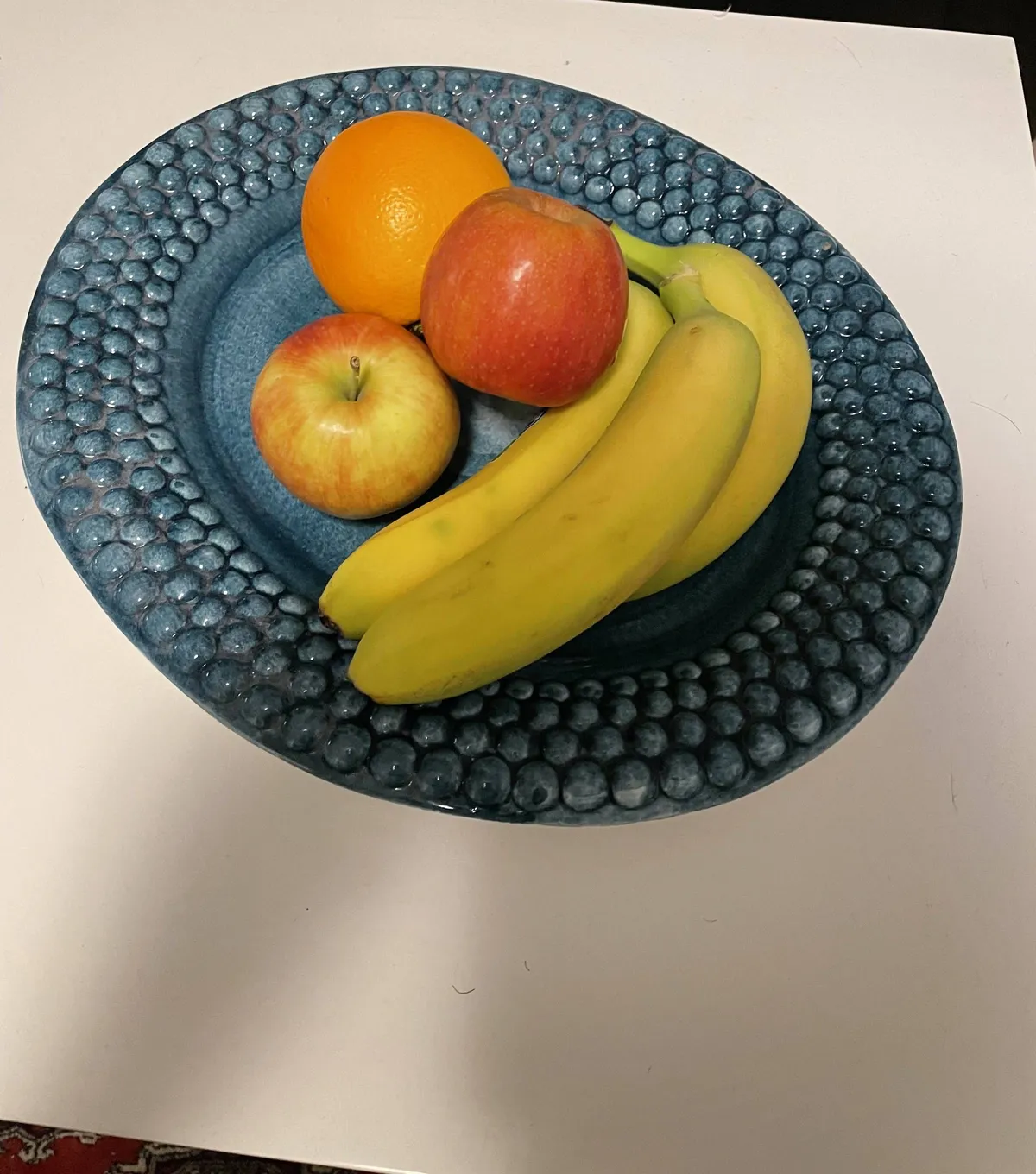
By the end of the experiment, the bowl was full:
Stage 3: Keep it going (handling bad days)
7. Plan for slip-ups
You will have off days. You will get busy, travel, or forget your groceries. The trick is to decide what you will do before life gets messy:
- The problem: Running out of fruit during a hectic work week.
My fix: Put apples and bananas on a recurring weekly grocery order. - The problem: Walking past the sweet section in the supermarket.
My fix: Enter through the fresh produce aisle and put three fruits in the basket before looking at anything else. - The problem: Thinking, "Fruit is too pricey."
My fix: Remind myself that 50p for an orange is cheaper and much better for me than an afternoon pastry.
Small changes add up
Lasting change is not about having iron discipline. It's about curiosity, knowing your starting point, and making your space work for you. The scale of the change doesn't matter: the steps for eating an apple every day are the exact same steps for writing a book or getting into shape.
If you want to try this yourself, explore my practising CBT notes or turn it into a structured 8-week experiment. What is one small experiment you would like to run this month?